Hydroelectric: Inside Dam Turbines
The sensation of standing fifty meters below the waterline of a major reservoir while feeling the steady 60-hertz oscillation of seven-hundred-ton spinning rotors is unrepeatable in any other travel discipline.
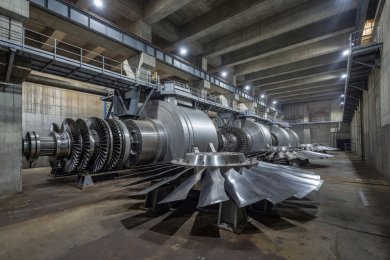
The Scale of Hydraulic Powerhouses
Modern hydroelectric generating halls are masterclasses in structural restraint and sheer subterranean volume. Unlike thermal or gas plants, where combustion heat and steam venting require exterior stacks, a hydroelectric dam conceals its colossal kinetic exchange deep within solid concrete abutments or hollowed mountain rock chambers.
Entering these environments requires descending via high-speed service elevators sunk directly through the dam’s crest. As the elevator descends through hundreds of feet of vibration-damped aggregate, the temperature drops precipitously, accompanied by the distinct smell of machine oil, ozone, and cool, humid concrete.
Primary Turbine Typologies Encountered
Depending on the hydraulic head (the vertical drop of water) and total volumetric flow, visitor-accessible plants deploy distinct turbine runners:
- Francis Reaction Turbines: The workhorse of medium-to-high head installations like Hoover, Grand Coulee, and Itaipu. Water enters radially through a spiral scroll case at tremendous velocity and discharges axially into the tailrace. Standing next to an exposed Francis shaft feels like being next to the axle of the planet.
- Pelton Impulse Wheels: Favored in high-alpine setups such as the Swiss Bieudron Power Station (Dixence dam system), where water plunges over 1,800 meters through penstocks, striking spoon-shaped buckets at velocities exceeding 190 meters per second.
- Kaplan Axial-Flow Units: Designed for low-head run-of-the-river barriers, resembling colossal submarine propellers with adjustable blades that modulate with river volume.
Key Global Hydro-Stations Open to Observers
1. Hoover Dam Powerplant (Nevada/Arizona, USA)
Operated by the U.S. Bureau of Reclamation, Hoover Dam’s historic power plant tours take visitors down 530 feet into the canyon wall. You walk through the 30-foot-diameter penstock inspection gallery, viewing the steel pipes that feed up to 90,000 gallons of Lake Mead water per second to 17 colossal commercial generators lined across the Nevada and Arizona wings.
2. Itaipu Dam (Brazil / Paraguay Border)
Itaipu produces more aggregate electricity over time than nearly any other civil asset on Earth. Their "Special Circuit" allows small technical groups into the heart of the central powerhouse. You stand above the revolving shafts connecting the Francis turbines to the 50Hz and 60Hz rotors, walk inside the concrete cathedral containing the 10.5-meter water supply penstocks, and visit the centralized bilateral dispatch control room spanning the international border.
| Facility | Reservoir Volume | Total Capacity | Tour Type | Mandatory Clearance |
|---|---|---|---|---|
| Hoover Dam | 35.2 km³ (Lake Mead) | 2,080 MW | Guided Powerplant Walkway | TSA-style screening at perimeter checkpoint |
| Itaipu Binacional | 29 km³ (Paraná River) | 14,000 MW | Special Technical Circuit | Pre-registration with photo ID; enclosed footwear |
| Grand Coulee | 11.9 km³ (Columbia River) | 6,809 MW | Third Powerplant Tour | Federal inspection; background check for group bookings |
| Verzasca Dam | 0.105 km³ (Ticino, Switzerland) | 105 MW | Crest & Underground Vaults | Civil authority reservation; alpine stamina required |
Acoustic and Physiological Phenomena
Visitors frequently note the peculiar acoustic environment of an operating powerhouse floor. Rather than the harsh screech of metal tooling, giant hydro halls produce a deep, pervasive low-frequency hum (around 100 to 120 decibels of continuous sub-bass). This drone is felt in the ribcage and soles of the feet long before the conscious ear processes it.
Due to intense electromagnetic fields generated by multi-megavolt-ampere stators, visitors with active medical implants such as pacemakers are restricted to perimeter gallery decks situated behind heavy Faraday cages and reinforced structural pillars.
Field Preparation Checklist for Dam Visits:
- Carry earplugs: sound pressure levels in penstock bypass galleries frequently exceed 85 dBA.
- Wear slip-resistant flat shoes: condensation along bedrock drainage trenches can make masonry slick.
- Leave heavy luggage in secured external lockers: strictly no bags permitted inside federal US and South American turbine galleries.