Mines: Deep Shaft Descents
Stepping into a steel mining cage and dropping downward at speeds of up to eight meters per second into total pitch darkness is the definitive gateway to the subterranean industrial world.
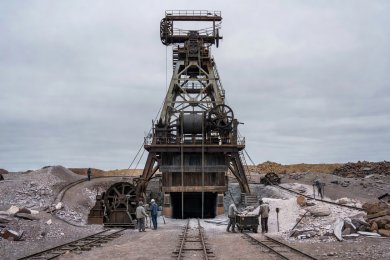
The Mechanics of the Mine Shaft
A deep shaft mine is an upside-down skyscraper. The visible steel or concrete headframe standing proudly on the surface serves merely as the structural mounting for the winding sheaves—the giant grooved wheels that direct multi-strand steel hoist ropes connected to surface friction winders.
For visitors, the descent is an intense sensory shift. As the cage accelerates downward through the shaft collar, surface light vanishes instantly. The air changes rapidly, warming due to the geothermal gradient (which in deep shafts increases rock temperature by approximately 1°C for every 30 to 40 meters of depth), while condensation mists down the vertical rock walls.
Subterranean Operations and Working Environments
Once at the pit bottom or intermediate shaft station, access is via horizontal crosscuts driven through bedrock. Depending on the deposit being mined, conditions vary dramatically:
- Salt and Potash Mines (e.g., K+S Werra, Merkers in Germany): Immense cathedral-like chambers carved with rotary continuous roadheaders. The air is bone dry, salty, and warm (around 28°C). The acoustics are so extraordinary that Merkers operates a concert hall 500 meters underground within an excavated potash room.
- Hard Rock Metal Mines (e.g., Kiruna Iron Mine, Sweden): An underground city where full-sized diesel and electric trucks navigate 500 kilometers of spiral haulage ramps. Sub-level caving techniques trigger controlled collapses of hanging walls to recover high-grade magnetite iron ore.
- Historic Coal Operations (e.g., Big Pit in Wales, Zollverein in Germany): Narrow roadways supported by hydraulic props or steel arches, where coal dust control and active firedamp (methane) ventilation dictate every movement.
Exceptional Deep Extraction Circuits Open to Civilians
1. LKAB Kiruna Iron Ore Mine (Lapland, Sweden)
Located north of the Arctic Circle, Kiruna is the world’s most modern underground iron ore mine. While the operational face operates under automated drill and blast control at depths exceeding 1,300 meters, visitors take specialized tour coaches down the spiraling incline ramp into the LKAB InfoMine 540 meters below surface level. The facility includes operational workshops, full-scale continuous mining machinery, and a working cinema cavern.
2. Merkers Adventure Mine (Thuringia, Germany)
Visitors descend in a hoist cage in 90 seconds to a depth of 500 meters. Once underground, travelers board open-bed diesel mining trucks for an intense 20-kilometer high-speed journey through unpaved salt tunnels. Highlights include the Crystal Grotto—a chamber studded with cubic halite crystals up to one meter wide—and the historic gold storage room where General Eisenhower inspected recovered Nazi bullion in 1945.
| Mine Location | Material | Maximum Tour Depth | Descent Mechanism | Physical Demand |
|---|---|---|---|---|
| Merkers (Germany) | Potash & Rock Salt | 800 meters | Two-level hoist cage (8 m/s) + Truck | Moderate (Dry, dust-free) |
| Kiruna (Sweden) | Magnetite Iron Ore | 540 meters | Incline spiral coach road | Low (Paved cavern access) |
| Wieliczka (Poland) | Rock Salt | 327 meters (Tour to 135m) | Staircase descent / Danilowicz shaft cage | High (800+ wooden steps) |
| Big Pit National Mine (Wales) | Bituminous Coal | 90 meters | Original pit cage with banksman | Moderate (Wet uneven drift) |
Atmospheric Monitoring and Emergency Preparedness
Entry into any active subterranean extraction gallery requires an emergency briefing on atmospheric safety. Every individual entering the shaft receives a brass tally token (the surface accountability system) and must strap a self-contained self-rescuer (SCSR) canister to their belt. In the event of ventilation failure or combustion, this chemical oxygen rebreather provides a 60-minute escape buffer of scrubbed breathing air.